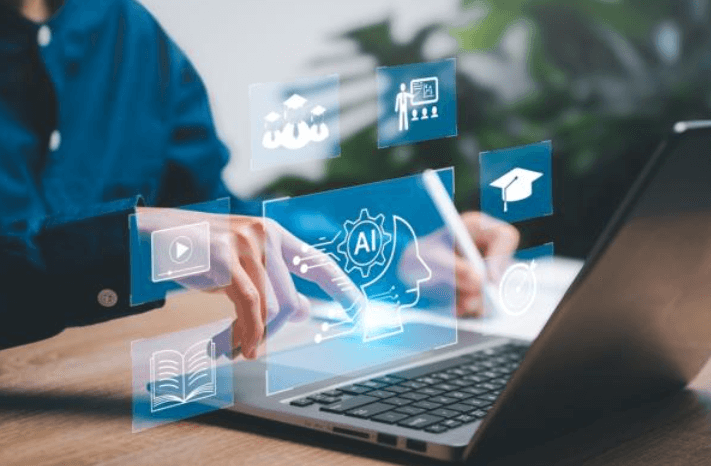
Technology is reshaping education by facilitating personalized learning experiences. Adaptive learning technologies analyze individual progress, tailoring resources to meet specific needs. Meanwhile, artificial intelligence enhances feedback mechanisms, fostering student autonomy. Interactive tools and gamified elements further engage learners, driving collaboration and creativity. This transformation raises critical questions about the future of educational practices and the potential for even greater innovation. What implications might these advancements hold for educators and students alike?
The Role of Adaptive Learning Technologies
As educational paradigms shift toward more personalized approaches, adaptive learning technologies emerge as pivotal tools in this transformation.
Utilizing adaptive algorithms, these technologies analyze individual learning patterns to provide personalized feedback. This tailored engagement fosters autonomy in learners, allowing them to navigate their educational journeys with greater freedom.
In this landscape, adaptive learning not only enhances comprehension but also empowers students to take charge of their learning experiences.
See also: How Smart Grids Are Powering the Future of Energy
Benefits of Artificial Intelligence in Education
Adaptive learning technologies have set the stage for a broader integration of artificial intelligence (AI) in education, highlighting the transformative potential that AI holds for personalized learning.
AI tutors leverage data analytics to analyze student performance, tailoring educational experiences to individual needs.
This personalization not only fosters engagement but also empowers learners, granting them the freedom to explore knowledge at their own pace.
Interactive Tools Enhancing Student Engagement
While traditional teaching methods often struggle to maintain student interest, interactive tools have emerged as a dynamic solution to enhance engagement in the classroom.
Gamified learning transforms lessons into exciting challenges, motivating students to participate actively. In virtual classrooms, these tools foster collaboration and creativity, allowing learners to explore concepts in a more personalized manner.
Ultimately, this leads to deeper understanding and sustained enthusiasm for learning.
Conclusion
In conclusion, technology is fundamentally reshaping education by fostering personalized learning experiences that cater to individual needs. As the adage goes, “Teach a man to fish and you feed him for a lifetime.” Adaptive learning technologies and artificial intelligence empower students to take charge of their educational journeys, promoting autonomy and engagement. As interactive tools and gamified elements continue to evolve, they will further enhance comprehension and motivation, equipping learners with the skills necessary for success in an increasingly complex world.